WhatsApp
Back
Purple Way Travels shows you Sri Lanka through places that show how diverse the country really is. Each place is different, from coastal areas formed by fishing villages and centuries of commerce to interior areas full of culture, nature, and history. We choose places where tourists may appreciate the area's everyday life, its rhythms, and the beauty of nature without feeling rushed. We chose these destinations not just because they seem good, but also because of the stories, situations, and cultural layers they have.
Coastal Wonders
Highland Retreats
Timeless Treasures
Wilderness Adventures
Spiritual Paths
Sri Lanka’s coastline offers everything from surfing and whale watching to calm beaches, rich marine life, and cultural heritage, making it ideal for both relaxation and adventure.
Trincomalee
Trincomalee is one of Sri Lanka's most important coastal cities because it has deep natural harbors and old temples. The area has clean seas, long beaches, and cultural sites from many different times. It is still less developed than resorts in the south, which makes it more appealing. Trincomalee is a great place for those who want to view both beautiful nature and historical sites.
Kalpitiya
Kalpitiya is recognized for its lagoons, marine life, and focus on eco-friendly tourism. It is a great place to see dolphins and whales, and during certain times of the year, kite surfing is also popular. Compared to other beach areas, this one feels far away and not very developed. This makes it a great place for anyone who wants to vacation in a way that doesn't harm the environment.
Nilaveli
The northeastern shore of Nilaveli has lengthy expanses of smooth sand and clean, shallow water. It is quite close to marine parks that safeguard coral reefs and sea life. The setting here is open and calm, which makes it easy to relax. Nilaveli is a great place to relax on the beach while also seeing cultural sites in Trincomalee.
Arugambay
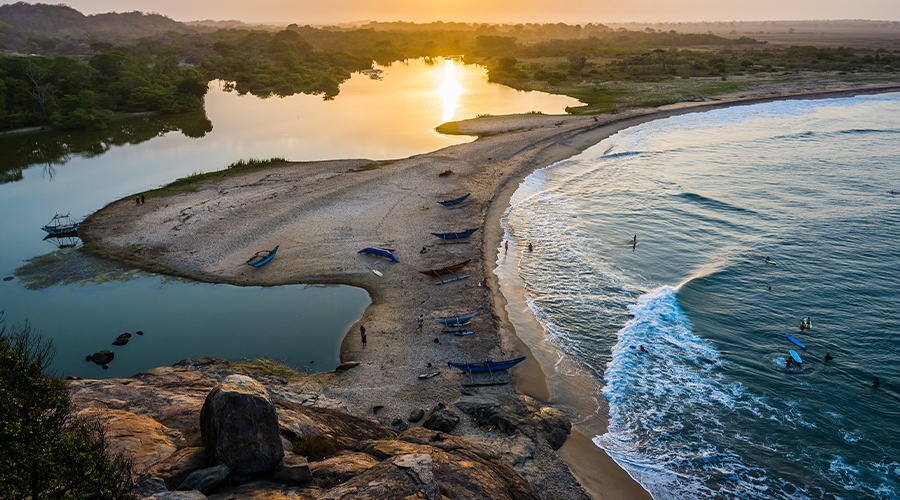
People all over the world know about Arugam Bay's surf culture, yet it still has a relaxed vibe that comes from the way people live there. In addition to the waves, the region has lagoons, animal reserves, and little coastal communities. The greatest time to visit is during the surf season, when the town comes to life but yet stays tranquil.
Mirissa
Mirissa combines the laid-back beach life of Sri Lanka's southern coast with aquatic activities. It is one of the most popular places in the country to see whales, especially during the migratory season. The beach is surrounded by tranquil waters and beautiful views that give you room to relax and explore. Even though Mirissa is busy, there are still calm areas that are worth taking your time in.
Bentota
Bentota is famous for having both relaxing beaches and beautiful river sceneries in the countryside. The Bentota River is a great place to explore mangroves, see birds, and do things on the water. There are also well-known resorts in this area, so it's a good place for people who want to be close to nature while also being comfortable. Its closeness to cultural landmarks and artisan communities gives it more depth than just the beach.
Passikudah
The shallow, tranquil seas and large, crescent-shaped beach make Passikudah what it is. The calm sea makes it perfect for lengthy swims, relaxing days, and family-friendly trips. Passikudah is less crowded and has a slower pace than other beach communities. It is a good place for people who want calm places and views of the ocean that aren't blocked by anything.
Tangalle
Tangalle is on a stunning length of southern coastline with rocky headlands and large sandy beaches. The region doesn't feel as commercial as surrounding ones, which makes for a more pleasant stay. Fishing villages are still thriving here, which gives us a look at how people make a living on the shore. Tangalle is also a fantastic place to stay if you want to explore neighboring lagoons and wildlife regions.
Hikkaduwa
Hikkaduwa is a lively beach town in Sri Lanka with a long history of tourism. The coral reefs there draw snorkelers and divers all year long. The town has busy streets, local restaurants, and cultural attractions, in addition to the aquatic life. Travelers who want to be active and remain near to the water will like the vibe here.
Negombo
Negombo has a lot to do with Sri Lanka's colonial background and fishing culture. The town's marketplaces and canals around the lagoon give you a taste of what life is like on the coast after centuries of commerce. Because it is close to the international airport, it is a good place to start or conclude a trip. Negombo is a good place to stay for a short time and yet learn about the culture.
Sri Lanka’s hill country blends misty mountains, tea plantations, cool climates, and rich biodiversity, offering peaceful landscapes, scenic walks, and a slow-paced escape into nature and tradition.
Ella
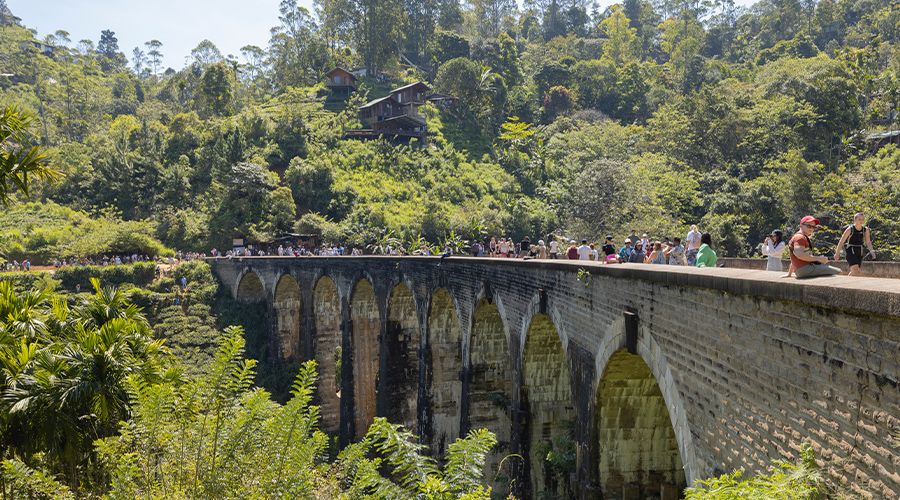
Ella is a little hill town that is surrounded by foggy mountains, tea plantations, and wooded hills. It is famous for its strolling paths, beautiful views, and slow pace of life. Landmarks like Ella Rock and Nine Arch Bridge fit seamlessly with the terrain instead than striking out from it. The location is good for those who like to explore slowly in cool weather with wide-open views.
Nuwara Eliya
Nuwara Eliya is one of the highest places in Sri Lanka, and its buildings and streets show a lot of colonial influence. The area around it is home to well-organized tea estates that change both the economy and the view. The weather is different from the rest of the island since it is cool. It is perfect for lazy days, picturesque drives, and learning about Sri Lanka's tea culture.
Horton Plains
Horton Plains is a highland plateau that is protected and has a unique environment and stunning scenery. There are walking paths that go through cloud forests, meadows, and wide plains where few people live. Because of its height, the region has unique animals and plants that can't be found anywhere else. People come here to see nature, be peaceful, and enjoy the wide vistas.
The Knuckles Mountain Range
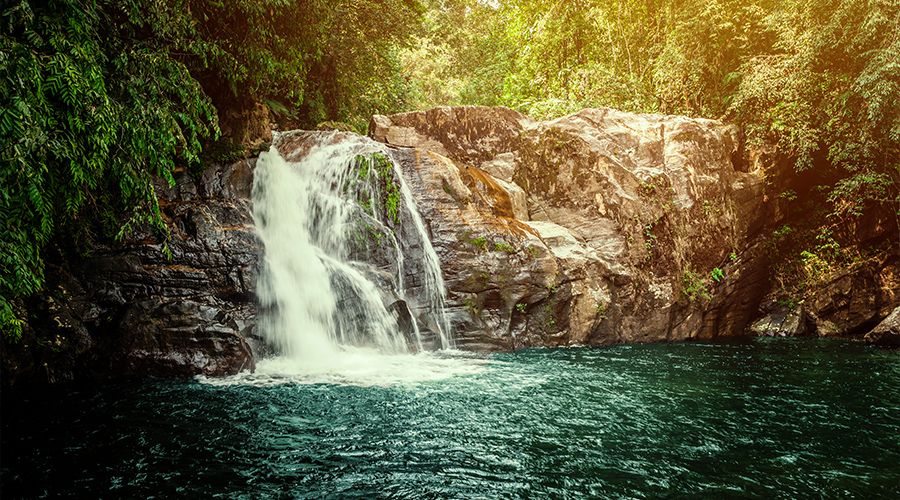
The Knuckles Mountain Range is one of the areas in Sri Lanka with the most diverse types of plants and animals. There are steep hiking pathways, deep forests, waterfalls, and lonely communities on its rough landscape. People still live closely with the land and maintain traditional farming traditions. This area is great for those who want to really get in touch with nature and have fun responsibly.
Haputale
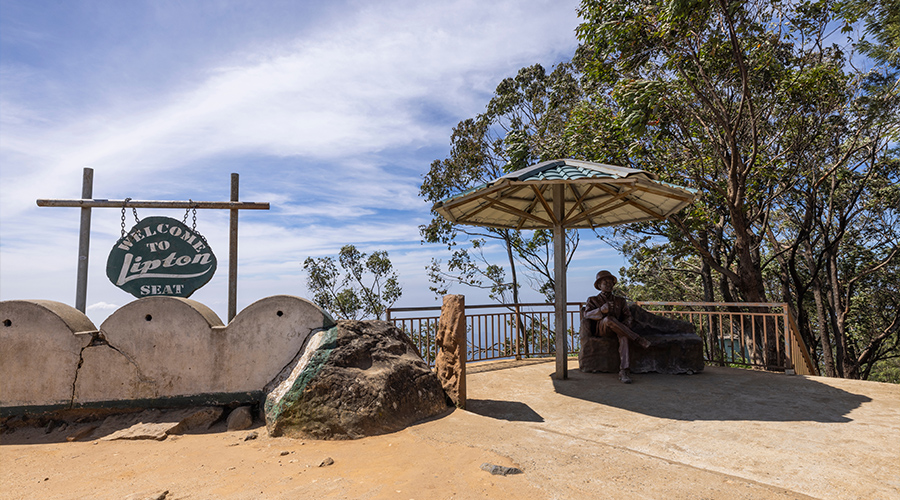
Haputale is atop a high ridge that gives it great views of lowlands and tea-covered hills. The town doesn't get as many visitors as adjacent hill towns, which lends it a quiet, daily pace. It's easy to go to tea factories and vistas without having to deal with big crowds. Haputale is a good place for those who want to relax and think while enjoying beautiful views.
Sri Lanka’s ancient heritage sites reflect centuries of history, spirituality, and architectural brilliance, showcasing sacred cities, rock fortresses, and archaeological wonders shaped by early civilization and Buddhism.
Temple in the Dambulla Cave
The Dambulla Cave Temple complex is constructed inside a rock formation and has Buddhist art that is hundreds of years old. Murals and statues decorate the walls, ceilings, and shrine places inside the caverns. For many centuries, people have nevertheless used the location as a place of prayer. It shows how religious practices have stayed the same over time.
Yapahuwa
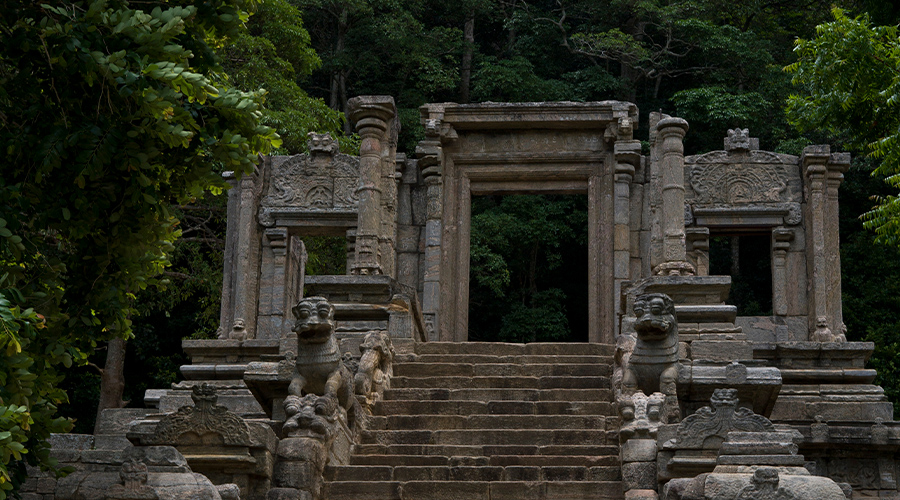
Yapahuwa was formerly a short-lived capital that was constructed around a huge rock outcrop. The site is recognized for its beautiful stone stairs and strong arrangement. It has a lot of historical character, even though not as many people visit it as other old cities. Yapahuwa gives a more peaceful view of Sri Lanka's royal history.
Sigiriya
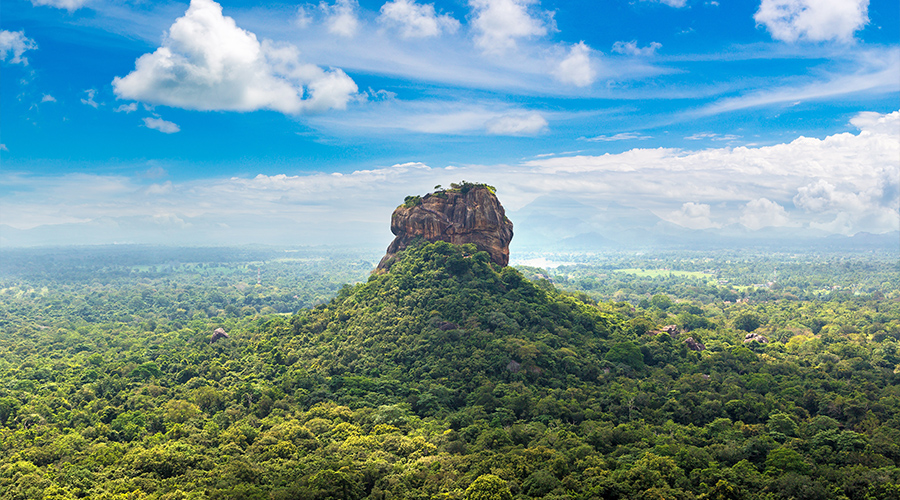
Sigiriya is an old rock fortification that stands out from the flat land around it. It was built in the fifth century and is a combination of engineering, art, and landscape design. Frescoes, water gardens, and vistas from above show what the location was meant to be. It is still one of the best instances of early urban planning in the country.
Polonnaruwa
Polonnaruwa was the capital of Sri Lanka in the Middle Ages and is today one of the country's most important archaeological towns. The site has remnants of palaces, temples, and irrigation systems that are in good shape. The way it is laid out shows that it was planned well in advance and that Buddhism had a big impact. When you visit Polonnaruwa, you may learn about the religion, government, and daily life of the time.
Anuradhapura
Anuradhapura is one of the oldest towns in South Asia that has always been lived in. As a hub of early Buddhism, it is very important to many religions. The city's spiritual environment is made up of sacred stupas, monasteries, and the old Bodhi Tree. People come here for religious, historical, and traditional reasons.
Sri Lanka’s wildlife destinations showcase rich biodiversity through national parks and rainforests, offering respectful encounters with elephants, leopards, birdlife, and unique ecosystems in protected natural settings.
Minneriya
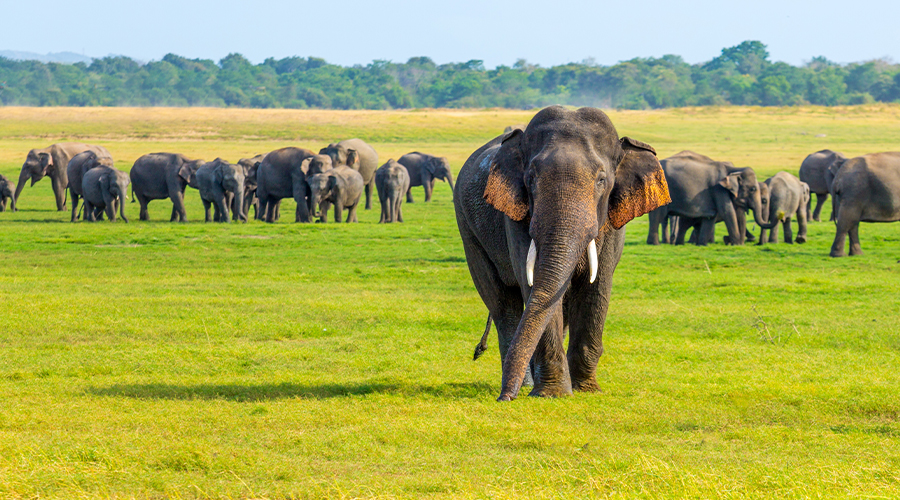
The most famous thing about Minneriya is that wild elephants gather every year at the old reservoir. During this time, big groups of animals wander over wide grasslands, which is one of Sri Lanka's most important wildlife occurrences. There are pockets of woodland, marshes, and bird habitats in the region. People come here to observe, learn about conservation, and keep a respectful distance from wildlife.
Yala National Park
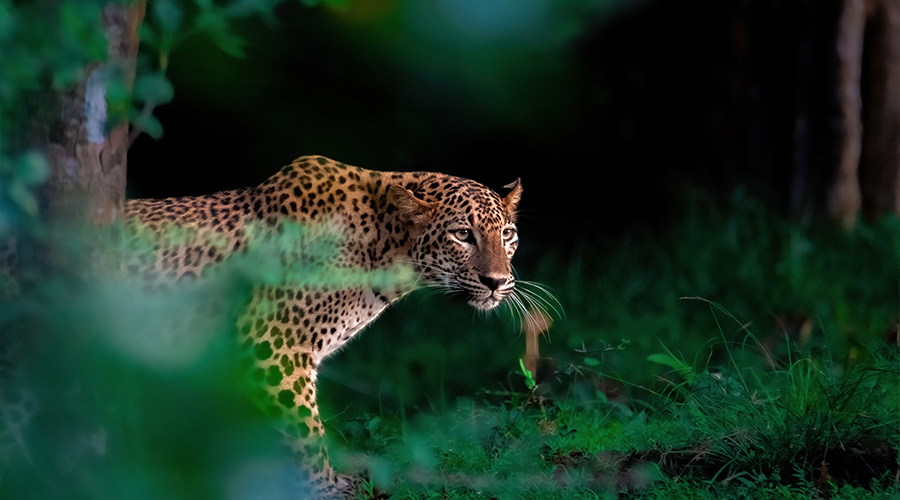
Yala National Park is one of Sri Lanka's most diversified protected regions. It has forests, scrubland, lagoons, and coastal habitats. It is notable for having leopards, elephants, crocodiles, and birds. The park's many types of land sustain many different kinds of animals. Timing, patience, and ecological balance all play a role in safari experiences here.
Udawalawe
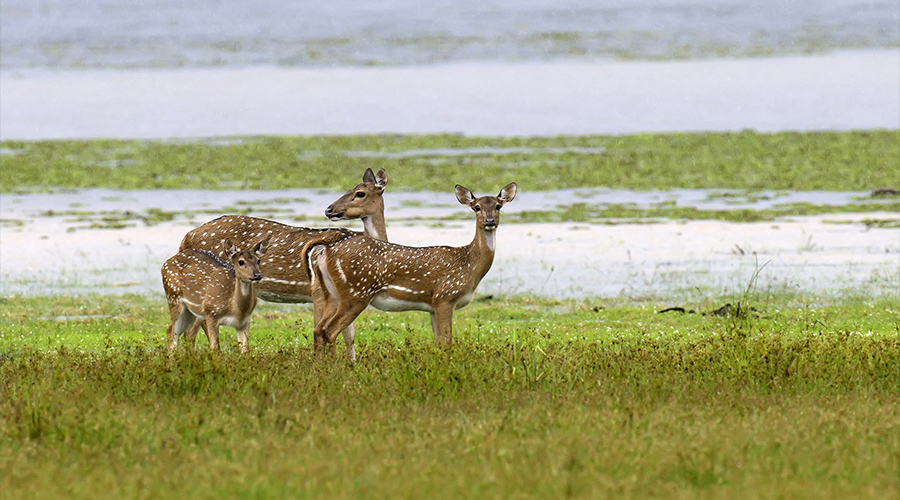
Udawalawe is characterized by open landscapes and a large man-made reservoir at its center. It is one of the most reliable locations in Sri Lanka for observing elephants in natural settings. The park also supports water birds, deer, and other grassland species. Its accessibility and visibility make it suitable for travelers new to wildlife safaris.
Wilpattu
Wilpattu is Sri Lanka’s largest national park and is defined by its natural lakes known as villus. Dense forest cover creates a quieter, more secluded safari experience compared to other parks. Wildlife sightings include leopards, sloth bears, and a wide range of bird species. The park appeals to travelers who value solitude and slower exploration.
Sinharaja Rainforest
Sinharaja is a UNESCO-protected tropical rainforest and one of the country’s most important biodiversity reserves. It is home to a high number of endemic plant, bird, and insect species. The forest environment is dense, humid, and alive with natural sound. Visits emphasize guided walks, conservation education, and minimal environmental impact.
Temples, sacred locations, and places of pilgrimage show how deeply embedded the island's traditions and beliefs are.
Adam’s Peak
Many religions hold Adam's Peak to be a holy peak. People typically climb the peak at night so they can reach the top by daybreak. The road is just as important as the goal since it shows passion, endurance, and thoughtfulness. The mountain is still a very important spiritual place in Sri Lanka.
Kandy’s Temple of the Tooth
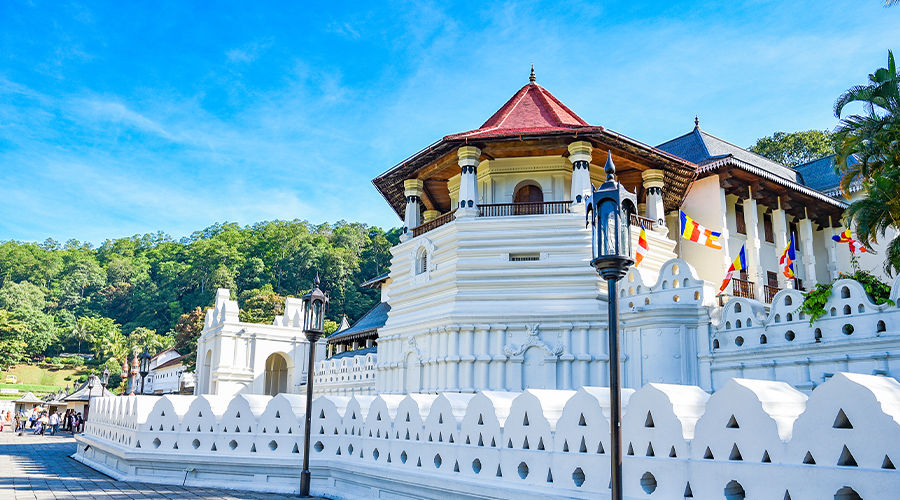
People think that the Temple of the Tooth has a holy relic that belonged to the Buddha. Located in the old city of Kandy, it is still a center of worship today. People from all throughout the country come to daily rituals. The temple is also very important for religious activities across the country.
Trincomalee’s Koneswaram Temple
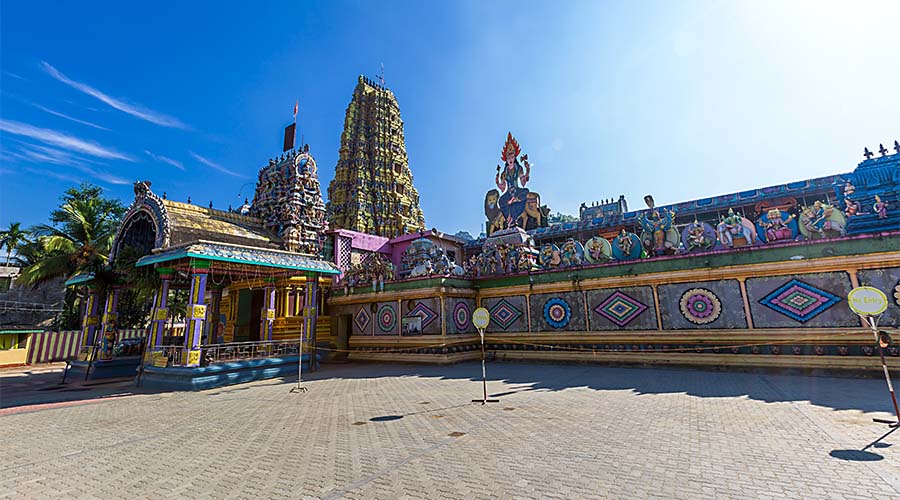
The Koneswaram Temple is atop a cliff in Trincomalee that looks out over the Indian Ocean. It is one of Sri Lanka's most prominent Hindu temples and has a long history. The location is a place of worship that is also surrounded by beautiful nature. It is important to both local people and pilgrims for cultural reasons.
Kataragama
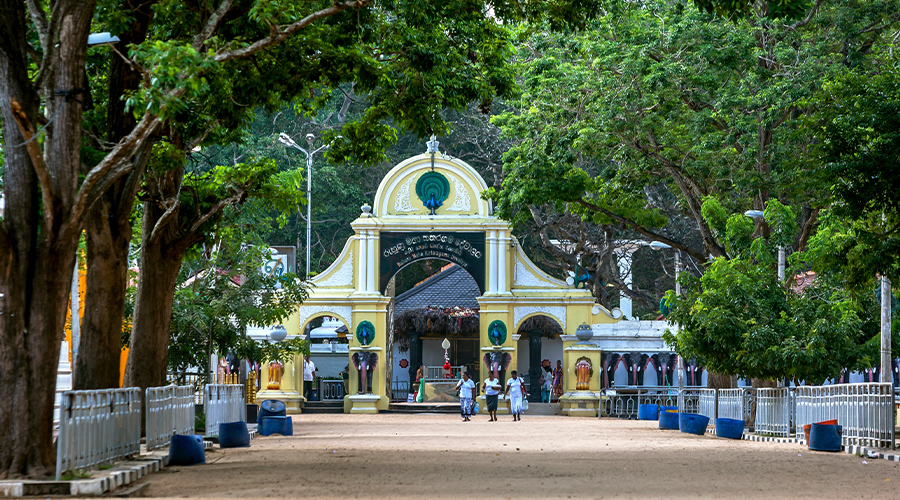
Buddhists, Hindus, and those who follow indigenous religions all recognize Kataragama as an important pilgrimage town. People say that the location has a lot of spiritual energy and a lot of different ceremonies. People come here on pilgrimage to ask for blessings, healing, and fulfillment of their vows. The town shows that people of different religions can live together in Sri Lanka.
Jaffna
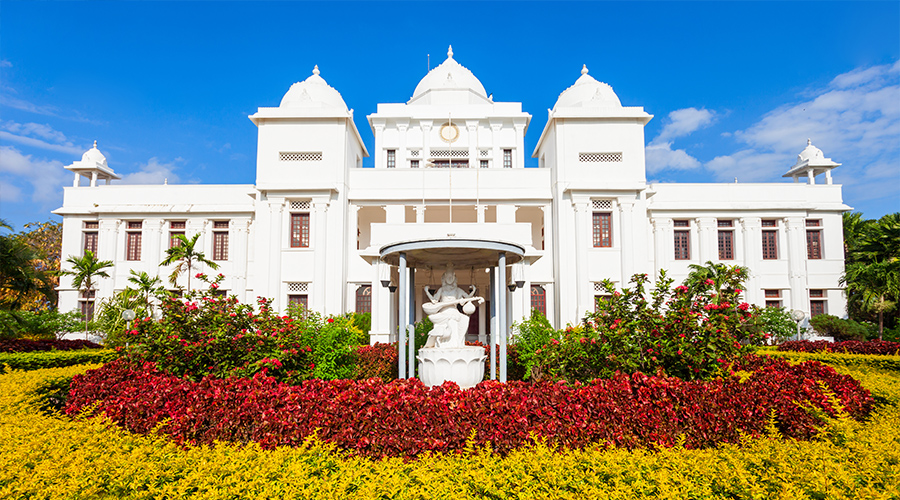
Jaffna is the spiritual and cultural center of northern Sri Lanka. There are old Hindu temples, Christian churches, and Islamic structures in the area. Religion here is very connected to language, culture, and identity. A trip to Jaffna gives you a look at a unique spiritual environment formed by history and strength.